Wildly Good Pairings
Wildly Good Pairings
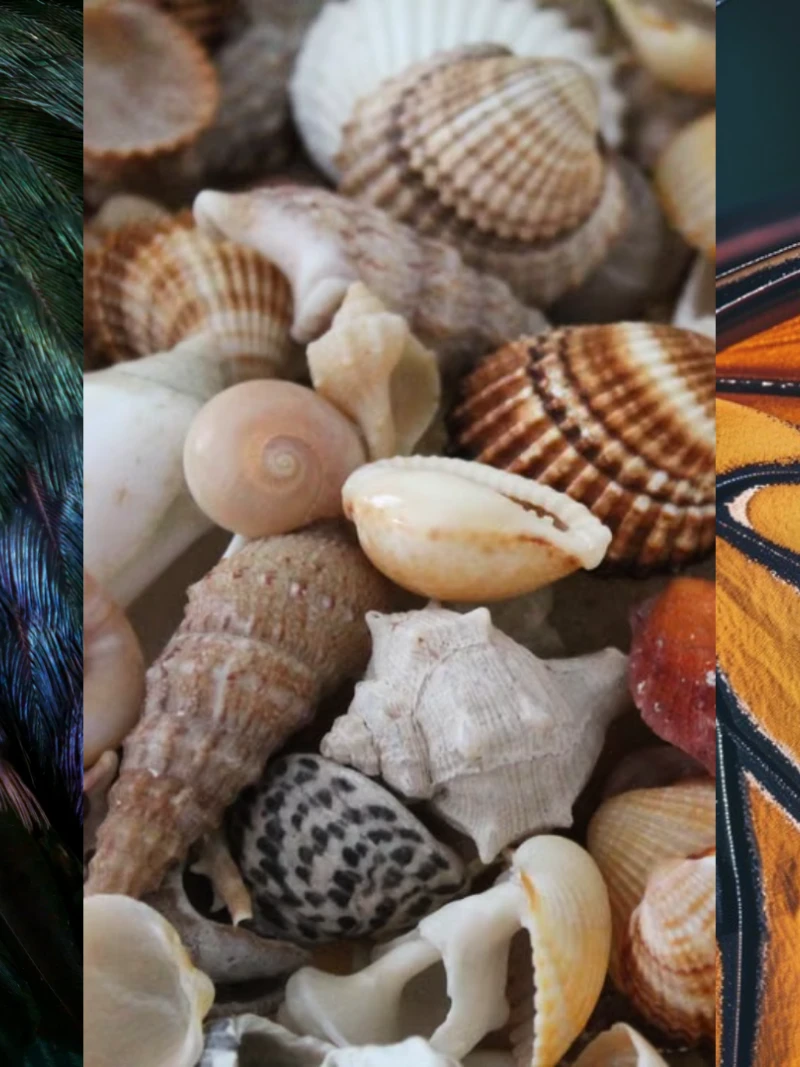
Some colour combinations just seem to make sense, even when they aren’t combinations we would necessarily think to put together ourselves.
Read more
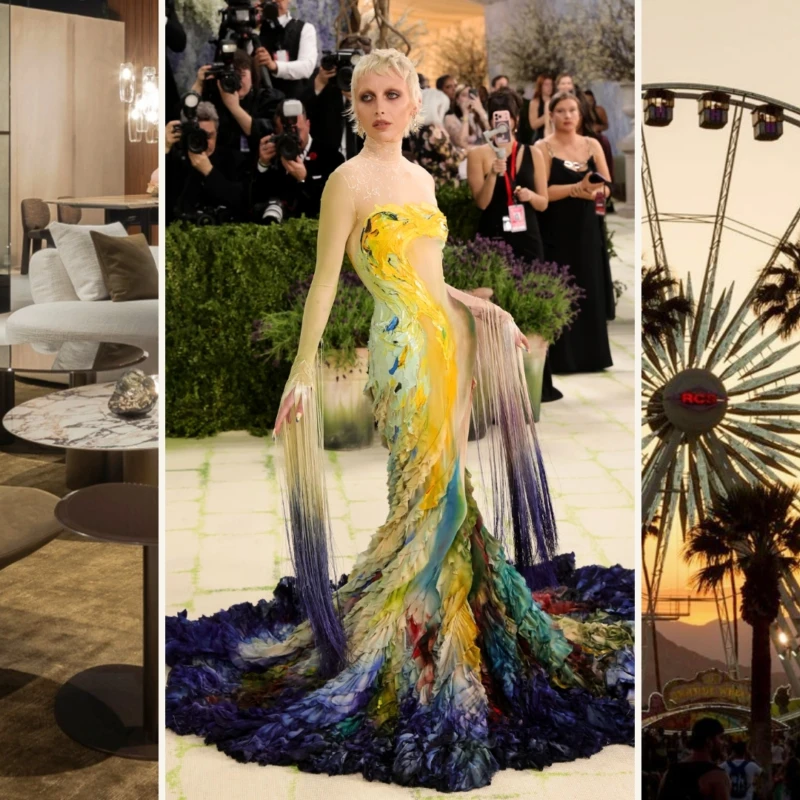
In the California desert, it shows up as crochet, fringe, sun-bleached colour and personal expression, assembled quickly and shared almost instantly. In New York, it climbs the Met steps as spectacle, sculpture and craftsmanship pushed to a theatrical edge. In Milan, it settles into the objects, rooms and materials that shape daily life.
Viewed together, Coachella, the Met Gala and Milan Design Week reveal more than seasonal trends; they point to a broader shift toward warmer, more tactile and more individual ways of living.
These worlds are not connected by one colour, material or silhouette. Instead, what links them is a shared desire for things that feel considered.
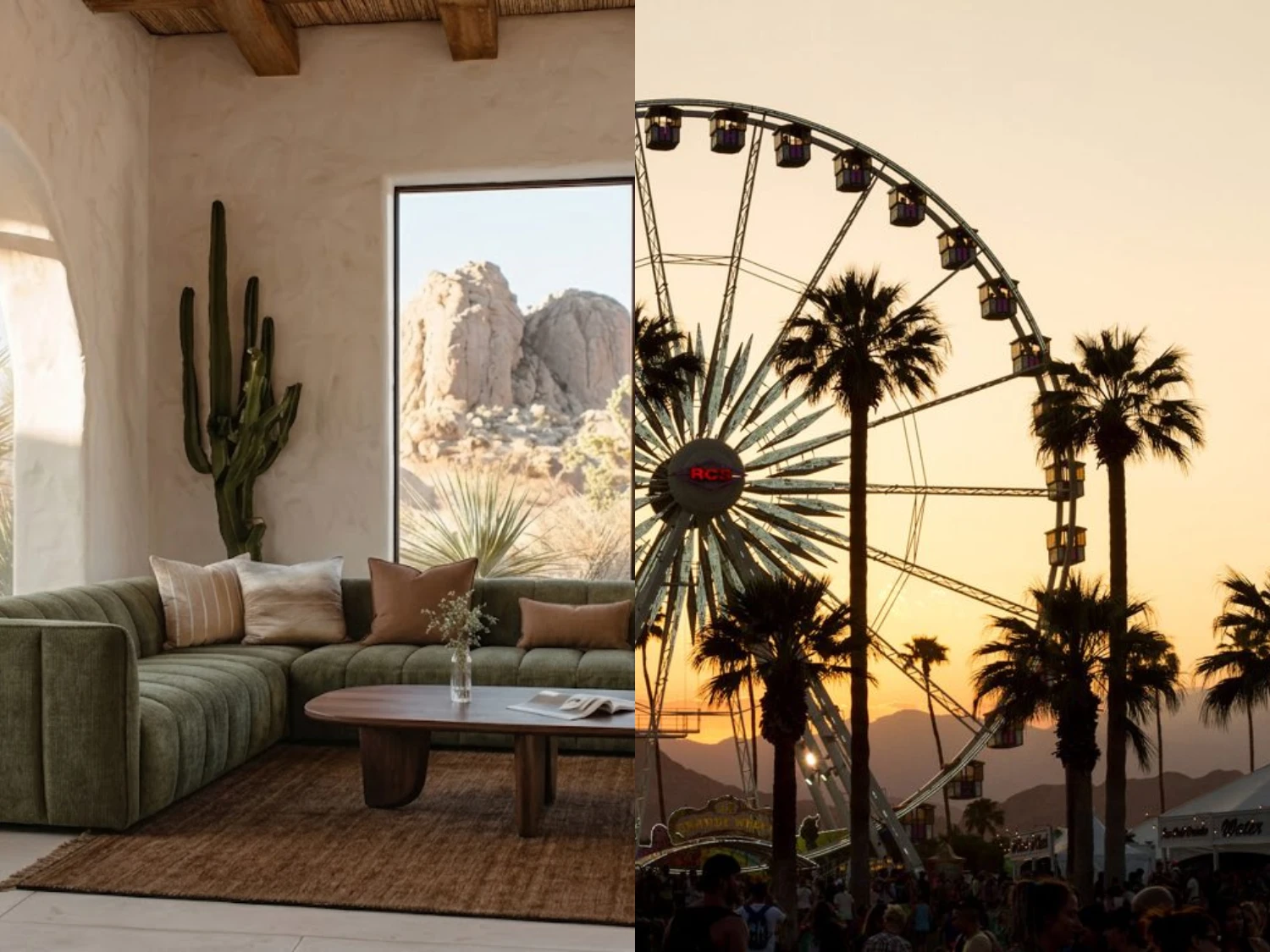
Coachella has become more than a music festival. It is one of the world’s most watched real-time style experiments, where personal taste is assembled, photographed, shared and absorbed at speed. This year, the mood moved between polished femininity, relaxed streetwear, bold colour and desert craft, with crochet, leather, fringe, beading and earthy neutrals appearing throughout.
The Met Gala took that same appetite for expression and made it ceremonial. With Costume Art as the exhibition and Fashion Is Art as the dress code, the evening invited clothing to be seen as sculpture, surface and idea. The strongest looks were not simply glamorous. They were constructed, intentional and full of detail that rewarded closer attention.
Then came Milan, where Salone del Mobile placed material intelligence, craft and innovation at the centre of the design conversation. The most compelling pieces were not necessarily the loudest. They were the ones that asked you to look again: a textured upholstery detail, a hand-finished surface, a sculptural table base, or a chair whose proportions quietly changed the mood of a room.
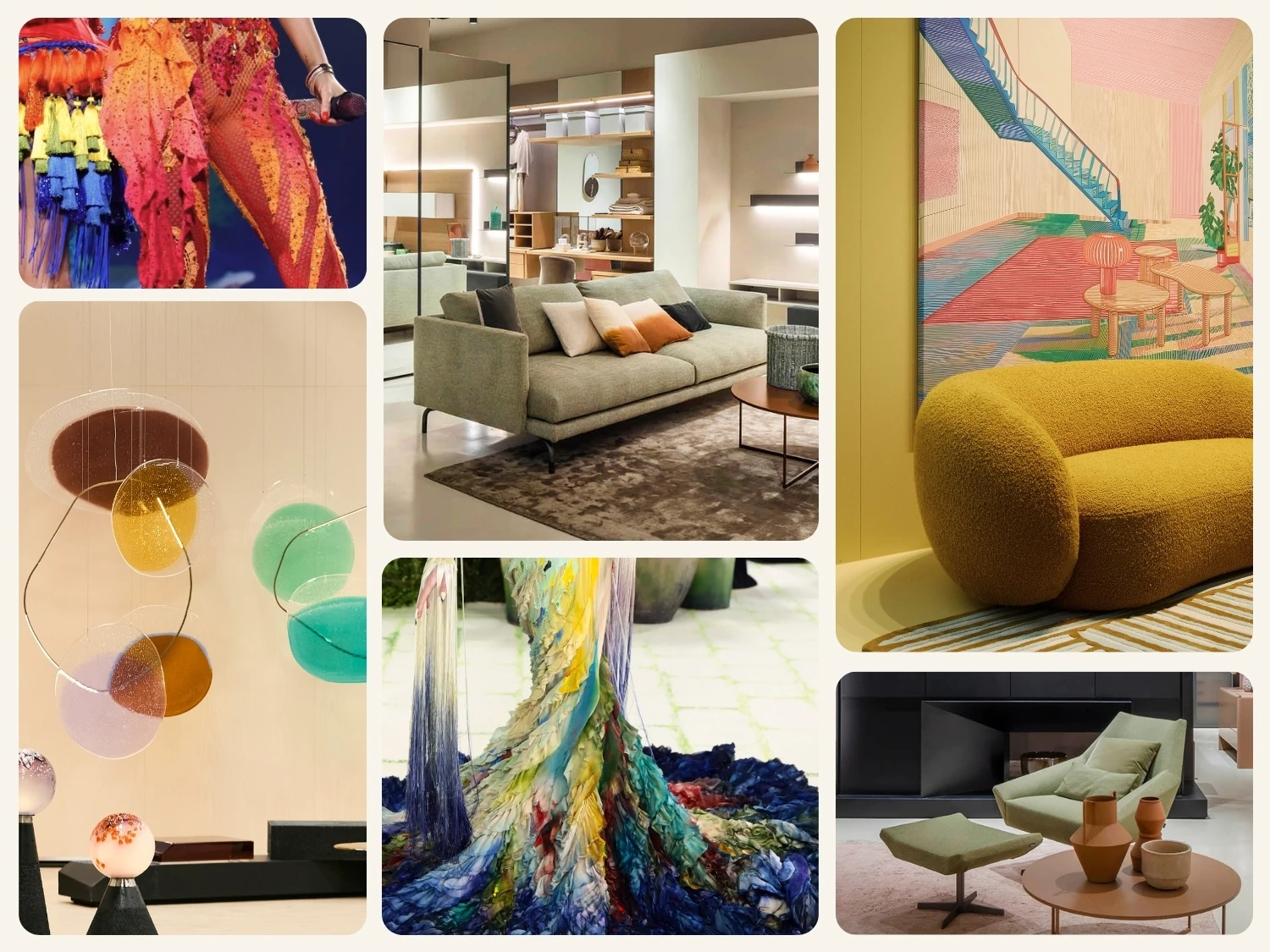
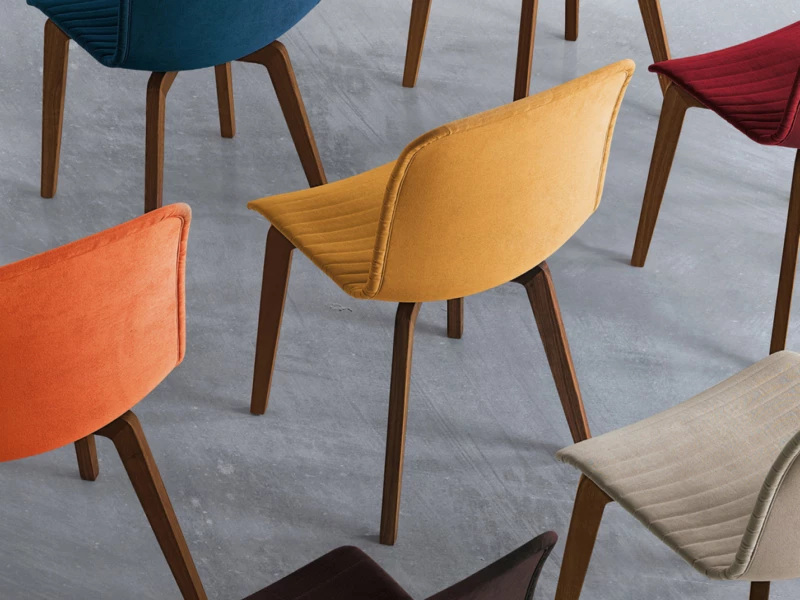
The colour story emerging from Milan was grounded, sun-warmed and deeply livable. Greige, cream, ecru, rope, clay and terracotta created interiors that felt welcoming rather than overly styled. Rich orange brought a distinct 1970s Italian energy, while olive green and navy added depth and a more saturated Mediterranean note.
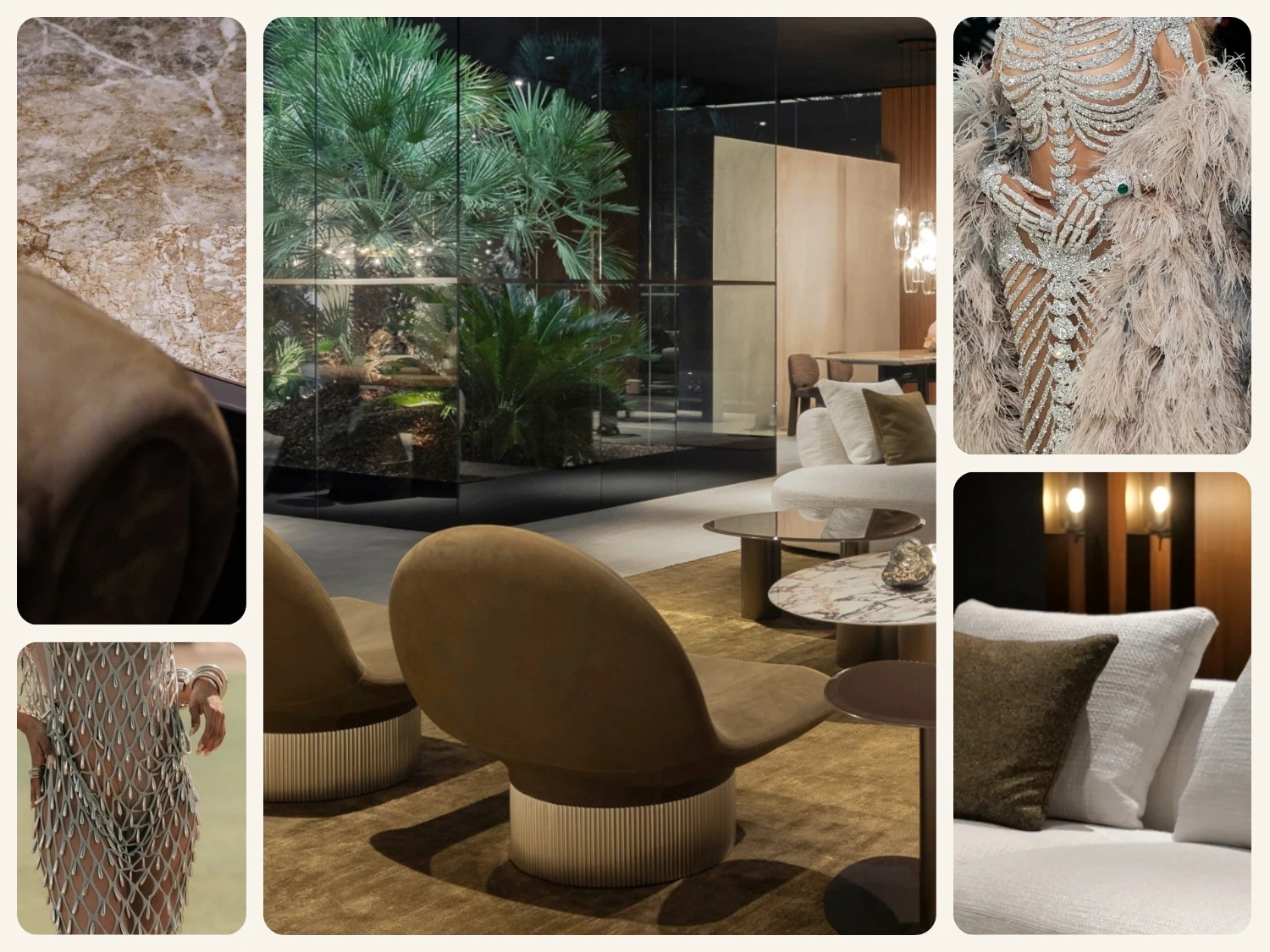
Against all that warmth, contrast mattered. Soft mint appeared unexpectedly beside clay and cream, while chrome, stainless steel and aluminium brought a cooler edge to natural textures. The result was not minimal, but balanced: warm surfaces sharpened by one thoughtful disruption.
Coachella told a similar colour story more loosely. The desert created its own palette of sun-faded neutrals, warm tan, washed cream, burnished gold and bright accents cutting through the heat. At the Met Gala, colour became more dramatic, used through painterly finishes, sculptural silhouettes and intricate surfaces.
The message is simple: warmth is the base, depth is the mood, and the unexpected accent is what makes a room or outfit feel alive.
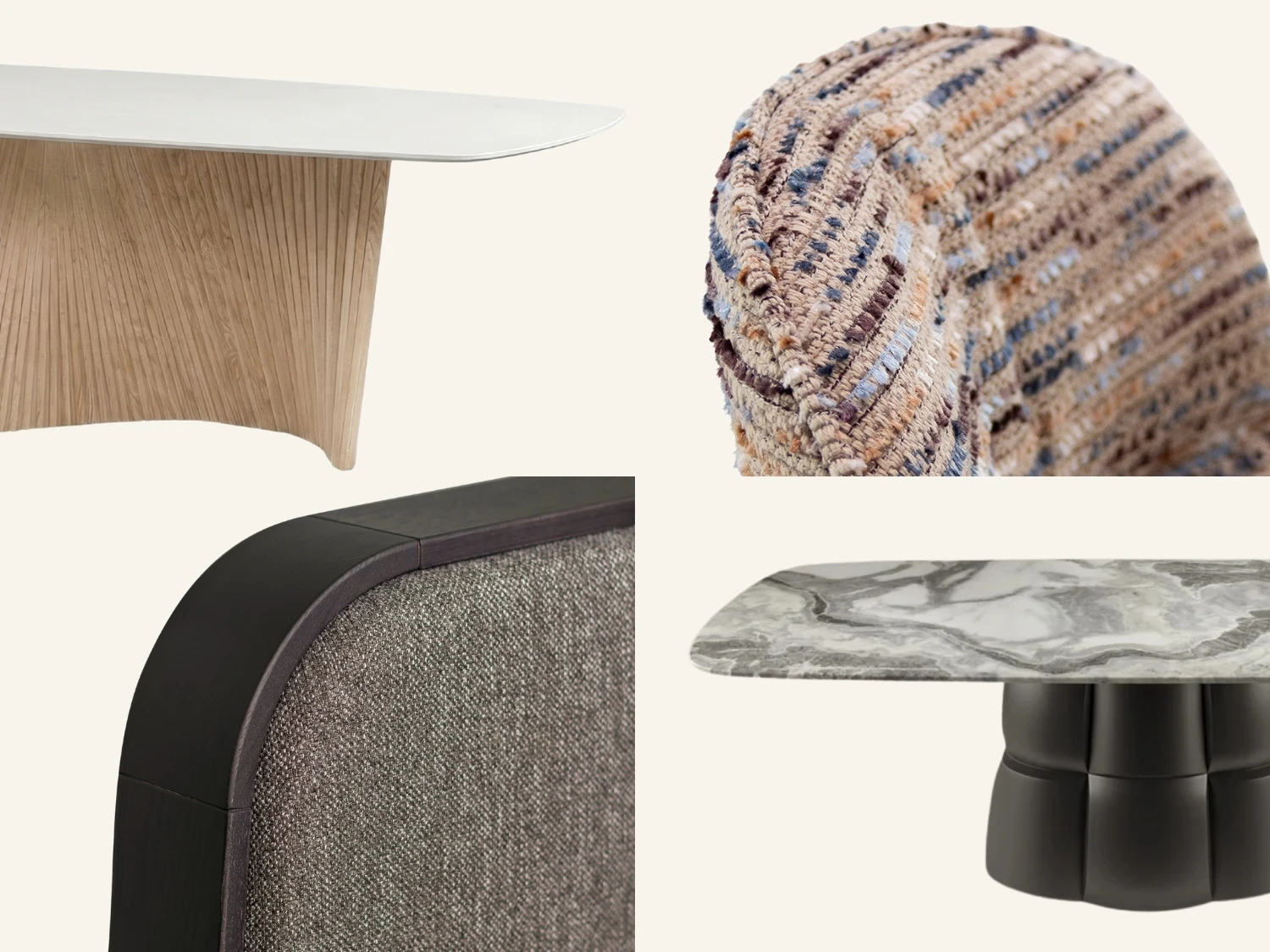
Texture is where fashion and interiors speak most clearly to each other.
At Coachella, it appeared through crochet, loose-weave knits, fringe, beading, worn leather and woven accessories. At the Met Gala, material became performance, with garments designed around structure, surface and the body as canvas. In Milan, the same instinct appeared through furniture and objects: bouclé, alpaca, raw wool, brushed timber, stone, cane, rattan and upholstery that invited touch.
In Milan, material often felt like the starting point rather than the final finish. Stone was not treated as just a surface, but as a sculptural presence. Marble, travertine and limestone appeared with bold veining, raw edges and architectural weight. Woods showed deep grain. Fabrics were chosen not only for colour, but for how they softened, warmed or complicated a form.
It is a quieter kind of luxury, but a more convincing one. Less shine, more substance. Less about looking expensive and more about feeling worth keeping.
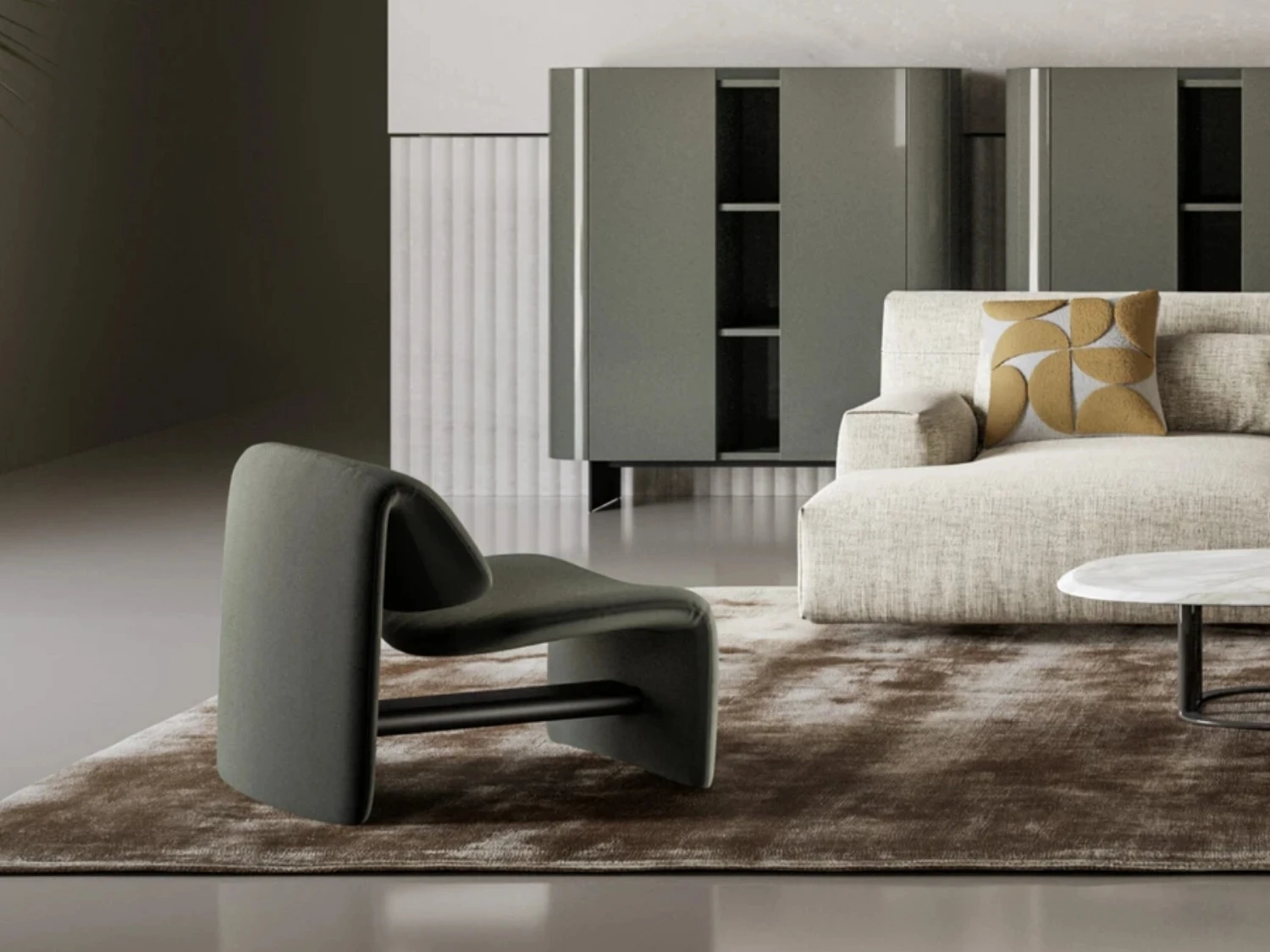
The best looks and rooms have one thing in common: they know where the eye should go.
At the Met Gala, the strongest looks began with a clear central idea. A silhouette. A surface. A material treatment. A reference point. They did not rely on excess for impact; they had conviction.
At Coachella, the same principle appeared in a more relaxed way. The outfits that carried beyond the festival were not necessarily the most complicated. They had a hero: a perfectly worn fringe jacket, an extraordinary textile, or a vintage piece with enough character to hold the whole look together.
In Milan, the statement piece returned with the same confidence, but not as something loud for the sake of it. It gained presence through proportion, material, craftsmanship and form. The table that defines the dining room, the sofa that changes the atmosphere or the chair that shifts the energy of a corner.
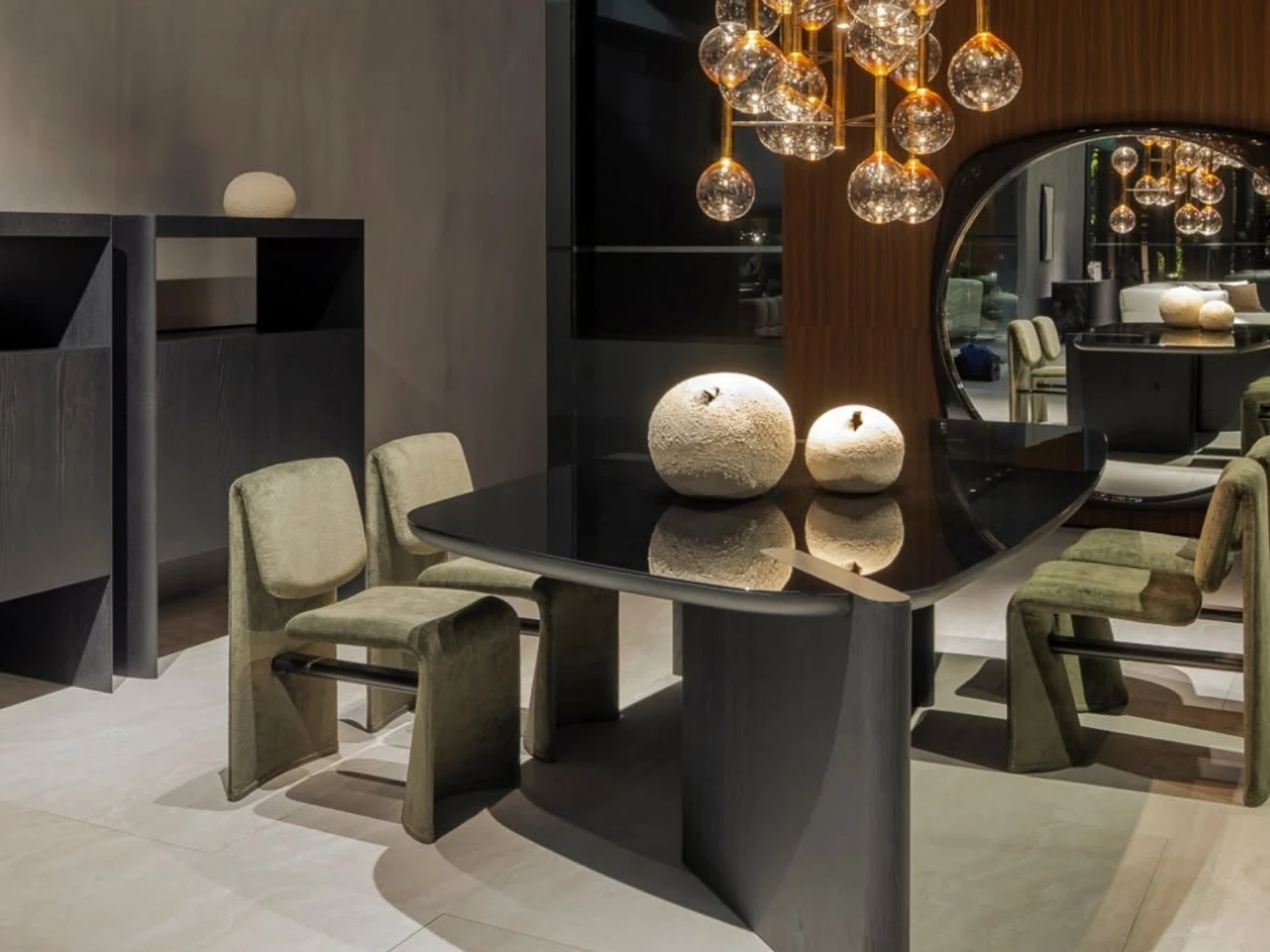
Bonaldo’s current collection language, Architecture of Objects, captures this especially well. It frames furniture not as an isolated product, but as something capable of shaping the space around it. Volumes, surfaces and proportions become part of a larger architectural conversation. These pieces do not simply sit in a room. They change how the room is perceived.
That is the kind of confidence worth bringing home: start with the piece that holds your attention, then let the space respond.
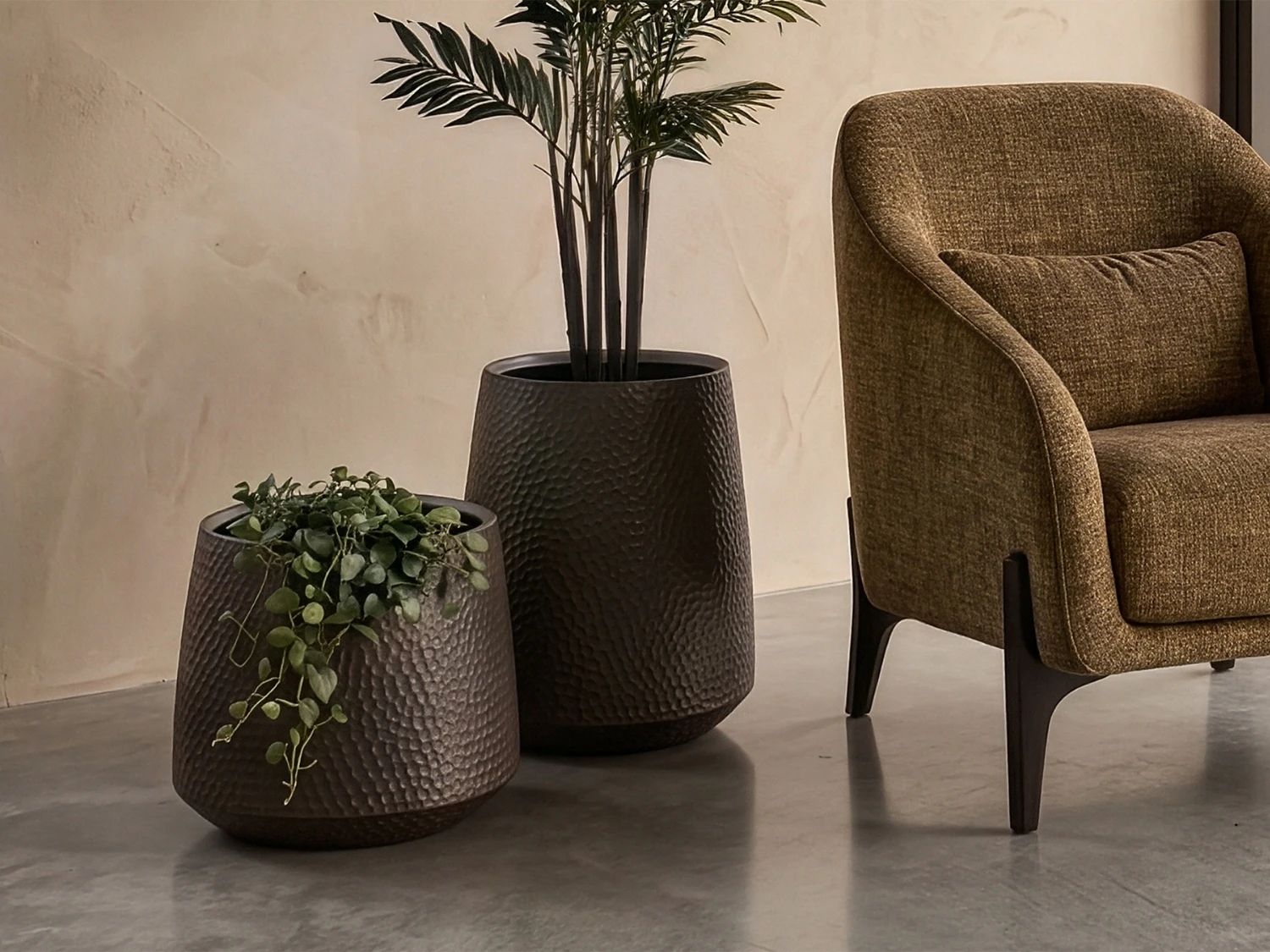
The clearest shared value across Coachella, the Met Gala and Milan ia renewed appreciation for craft. Handmade, artisanal and one-of-a-kind pieces are no longer being treated as nostalgic; they feel current and increasingly necessary.
In a world flooded with fast production and sameness, craft has become a form of distinction. At Coachella, that appeared through hand-crocheted pieces, embellished jackets, vintage finds and imperfect finishes. At the Met Gala, it became literal, through embroidery, tailoring, construction and surface work that made the labour visible.
In Milan, the same idea was built into the fair itself. SaloneSatellite’s 2026 theme, Skilled Craftsmanship + Innovation, positioned the handmade not as the opposite of progress, but as part of its future.
That conversation feels especially relevant in the home. People are moving away from interiors that feel interchangeable. They want spaces that show evidence of choice, personality and care, like a handmade vessel, a textured sofa or a table with sculptural weight.
They want a room that feels less like a showroom and more like a life.
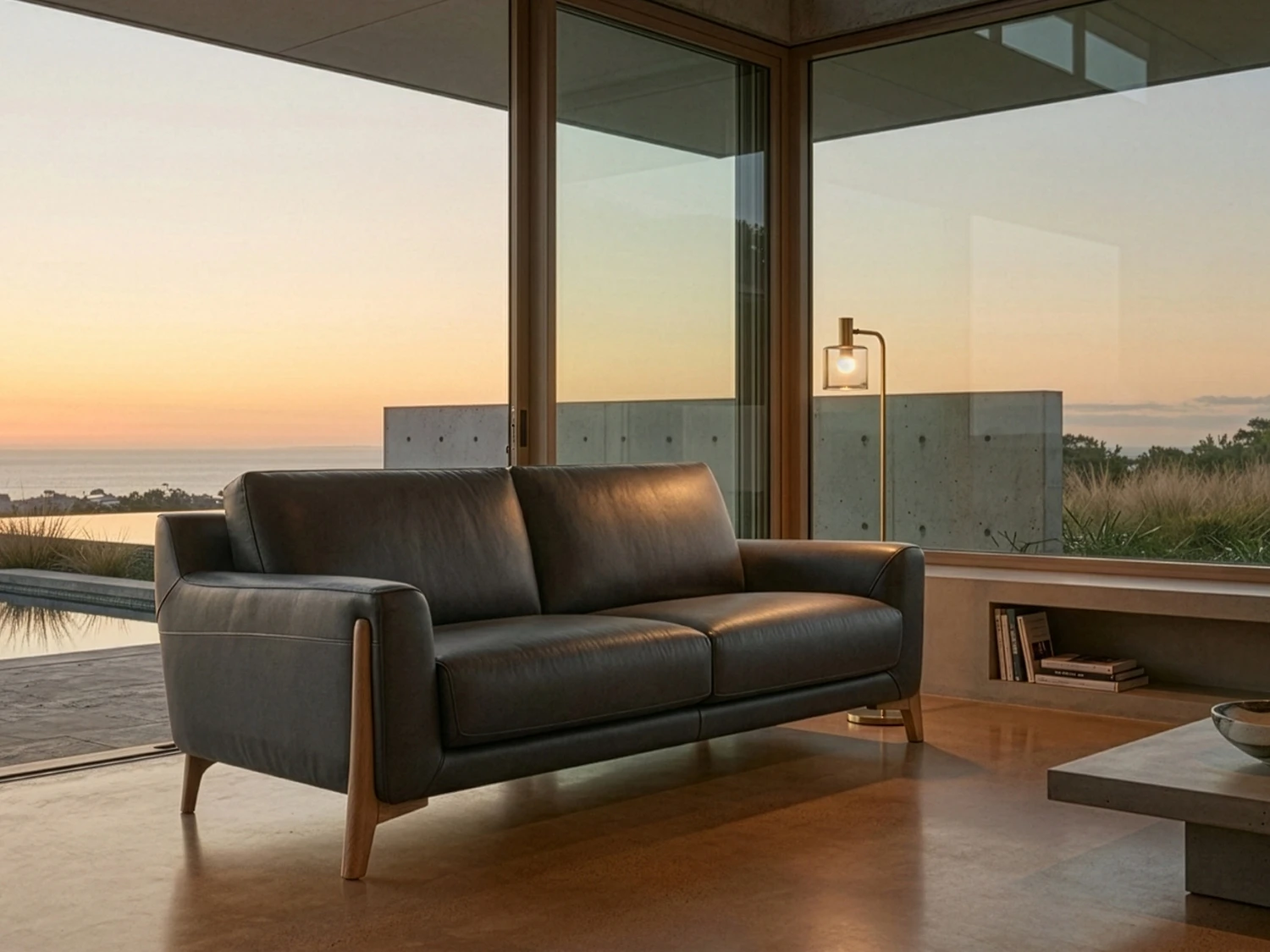
The trends are not coming. They are already here.
Across fashion, music, art and design, the direction is clear: more texture, more warmth, more individuality and more intention. The most interesting style today is not about perfection. It is about personality. It is about the balance between polish and imperfection, restraint and drama, function and feeling.
The home, like the wardrobe, is becoming less about coordination and more about conviction. Whether inspired by the sun-warmed ease of the desert, the sculptural drama of the Met steps, or the refined material intelligence of Milan, the message is the same.
Choose pieces that matter. Let texture lead, show off craftsmanship and let one unexpected detail disrupt the expected. Because the new language of living is not about having more; it is about having better.
Some colour combinations just seem to make sense, even when they aren’t combinations we would necessarily think to put together ourselves.
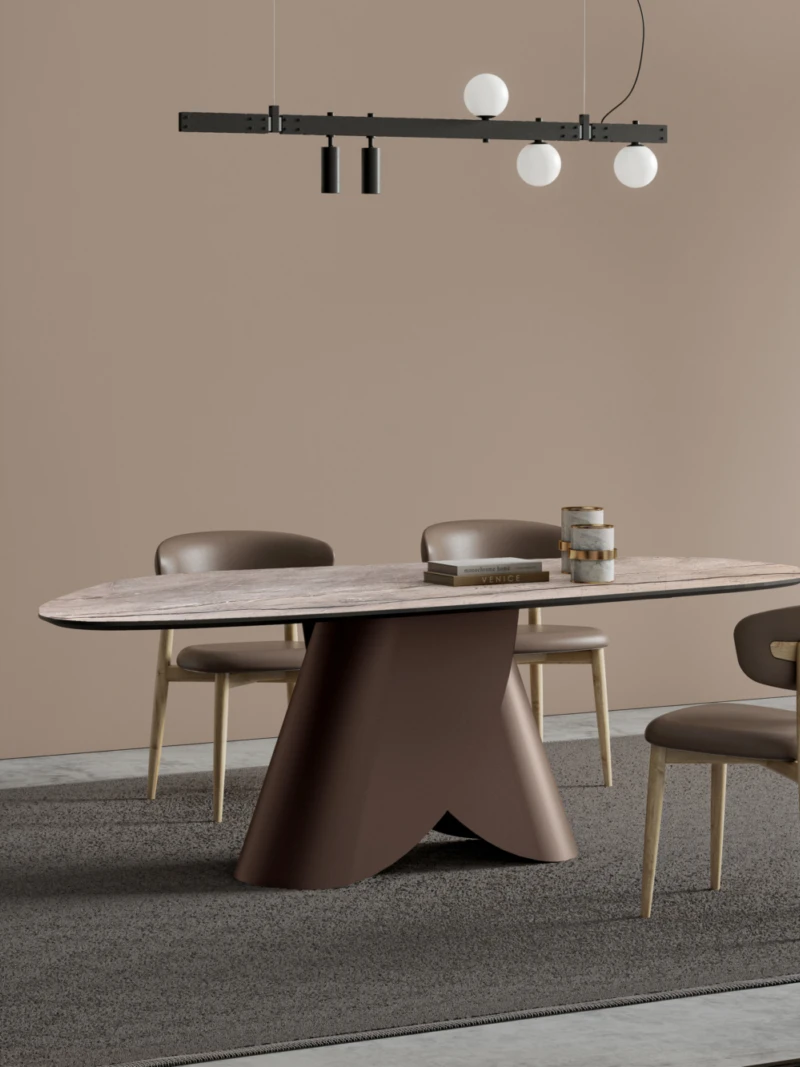
Italian design has a way of making even the most functional pieces feel considered.