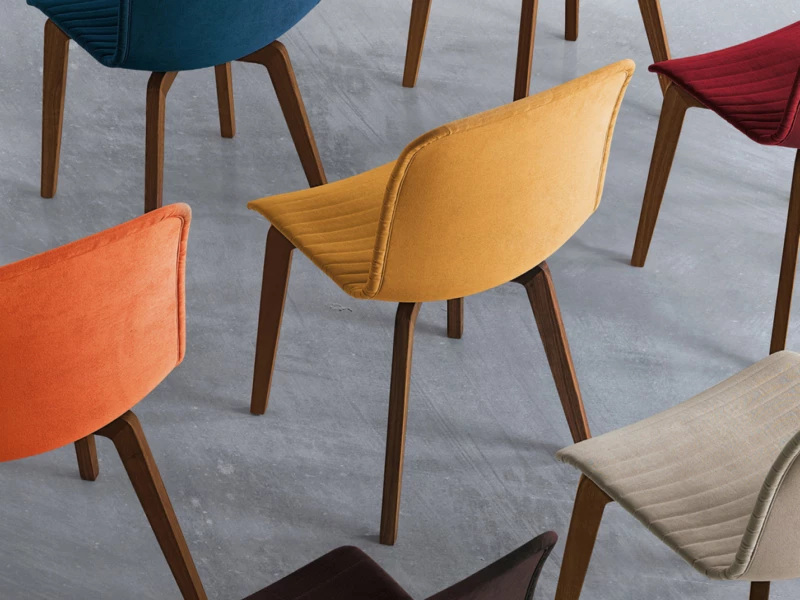
Wildly Good Pairings
Wildly Good Pairings
Some colour combinations just seem to make sense, even when they aren’t combinations we would necessarily think to put together ourselves.
Read more
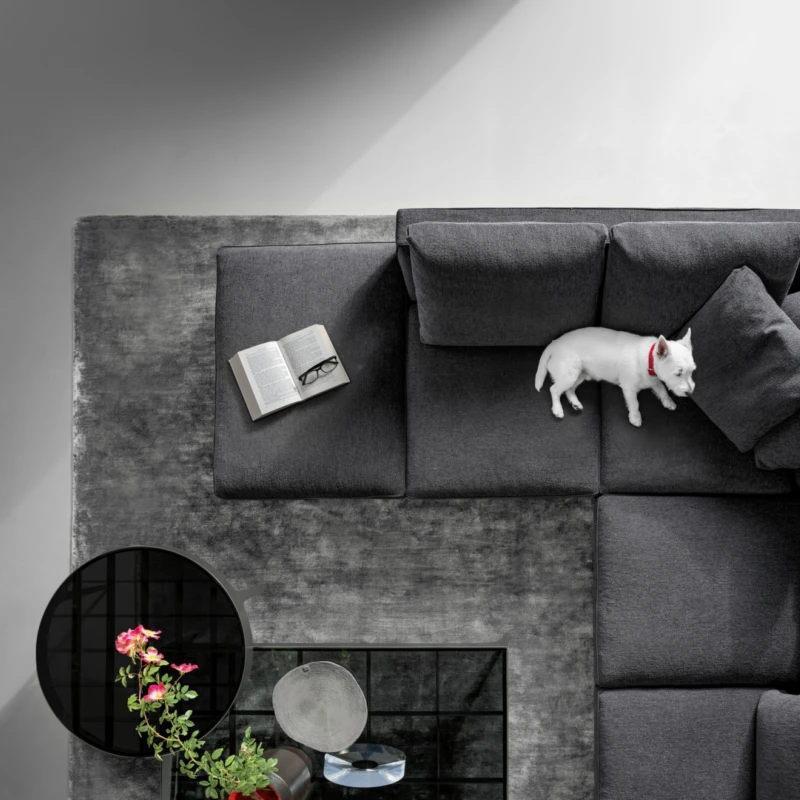
A sofa is one of the most important pieces of furniture in any home. It’s where we relax at the end of the day, gather with friends and family, and spend quiet weekends watching movies or reading.
Choosing the right sofa means balancing comfort, size, material, and style. The right piece should feel inviting to sit on, fit naturally within your living space, and reflect the way you live.
This guide covers the key factors to consider when choosing a sofa, from size and layout to materials and comfort.
We wrote a sofa guide in 2024, another in 2025, but we believe this is the only one you need.
Before looking at sofa styles or materials, start with the most important factor: your space.
If your sofa will sit against a wall, measure the width and consider the overall size of the room. A good rule of thumb is that a sofa should fit comfortably within the wall behind it, rather than stretching the entire length.
If the sofa is positioned away from a wall, use nearby furniture such as rugs, coffee tables or occasional chairs to define the seating area and maintain balance in the room. It is also important to consider the flow of the space. Your sofa should allow enough room for people to move around comfortably and for other furniture, such as coffee tables and side tables, to sit naturally nearby.
Lastly, don’t forget delivery access. It’s a practical detail that is often overlooked. Measure doorways, hallways, staircases and lifts to ensure your new sofa can be brought into your home.
Sofas are generally defined by the number of seats they offer. A two-seater sofa works well in smaller living rooms or apartments, while a three-seater sofa is the most common choice for everyday family living. Larger homes may benefit from a four-seater sofa or a chaise design that provides generous seating and space to stretch out.
You may also see terms such as 2 Maxi, 3 Maxi or 4 Maxi sofas. These refer to sofas with deeper seats and wider proportions than standard sofas, offering a more relaxed, lounge-style seating experience.
Corner sofas and chaise sofas are particularly popular in open-plan homes as they help define the living area while offering comfortable seating for multiple people.
The key is choosing a sofa that feels balanced within the room rather than overpowering it.
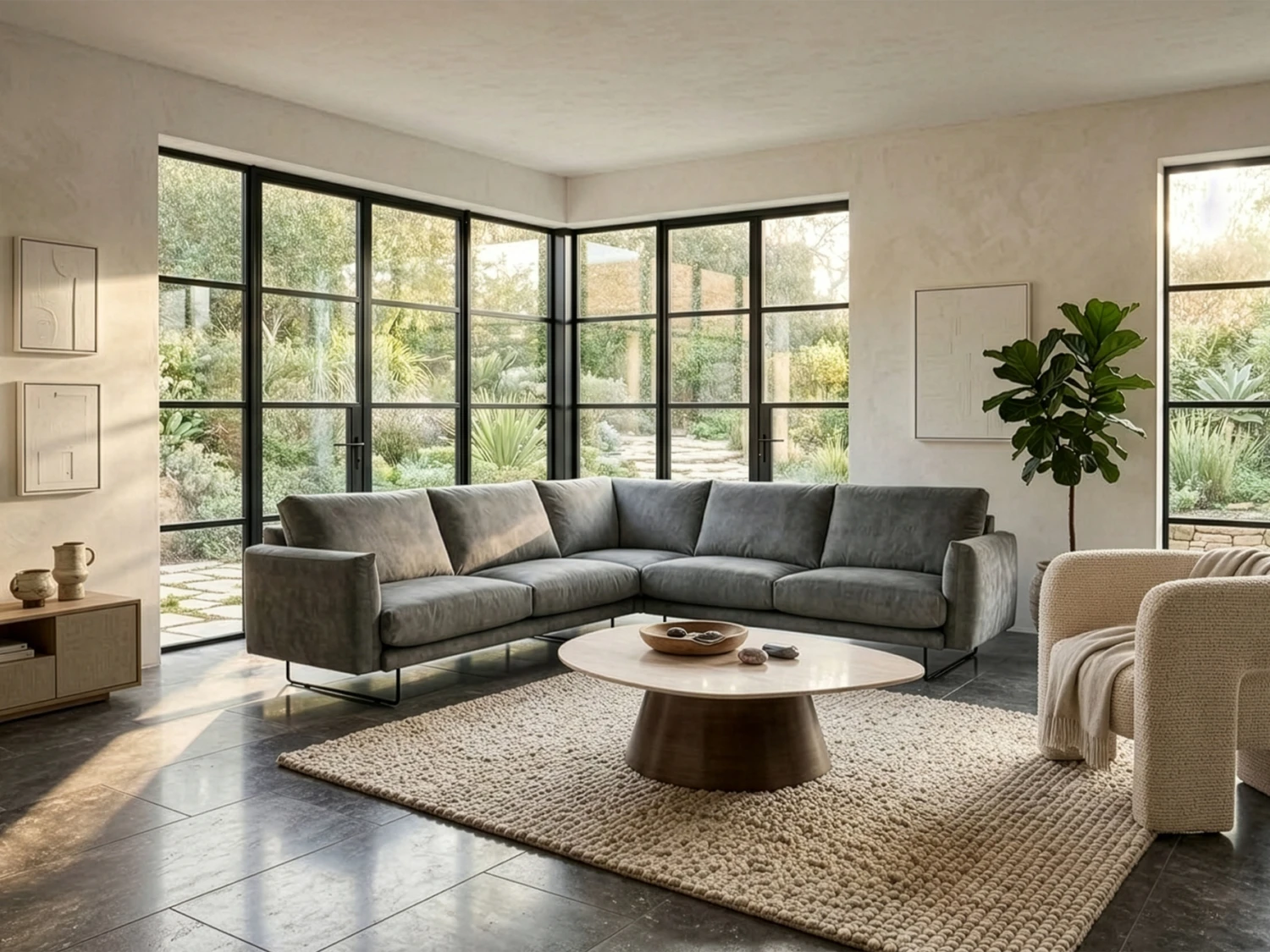
Corner sofas like the DAYTON are ideal for seating multiple people, creating a comfortable and social place to relax together. Their L-shaped design provides generous seating without the need for extra chairs and helps define the living area in open-plan spaces.
The style of your sofa sets the tone for the entire living space.
Modern sofas often feature clean lines, slim arms and simple shapes. These designs work well in contemporary homes and create a calm, uncluttered look.
Curved sofas introduce a softer, sculptural feel. With flowing lines and rounded shapes, they create visual movement and often work well as a statement piece in open-plan spaces.
Classic sofas tend to have a more relaxed appearance, with deeper seats, generous arms and timeless proportions that bring warmth and comfort to a room.
Modular sofas offer flexibility. Individual sections can be arranged in different configurations, making them ideal for larger homes or living spaces that may evolve.
Recliner sofas focus on comfort, with adjustable seating that allows you to lean back and relax. Modern recliners are far more refined than older styles and can integrate seamlessly into contemporary interiors.
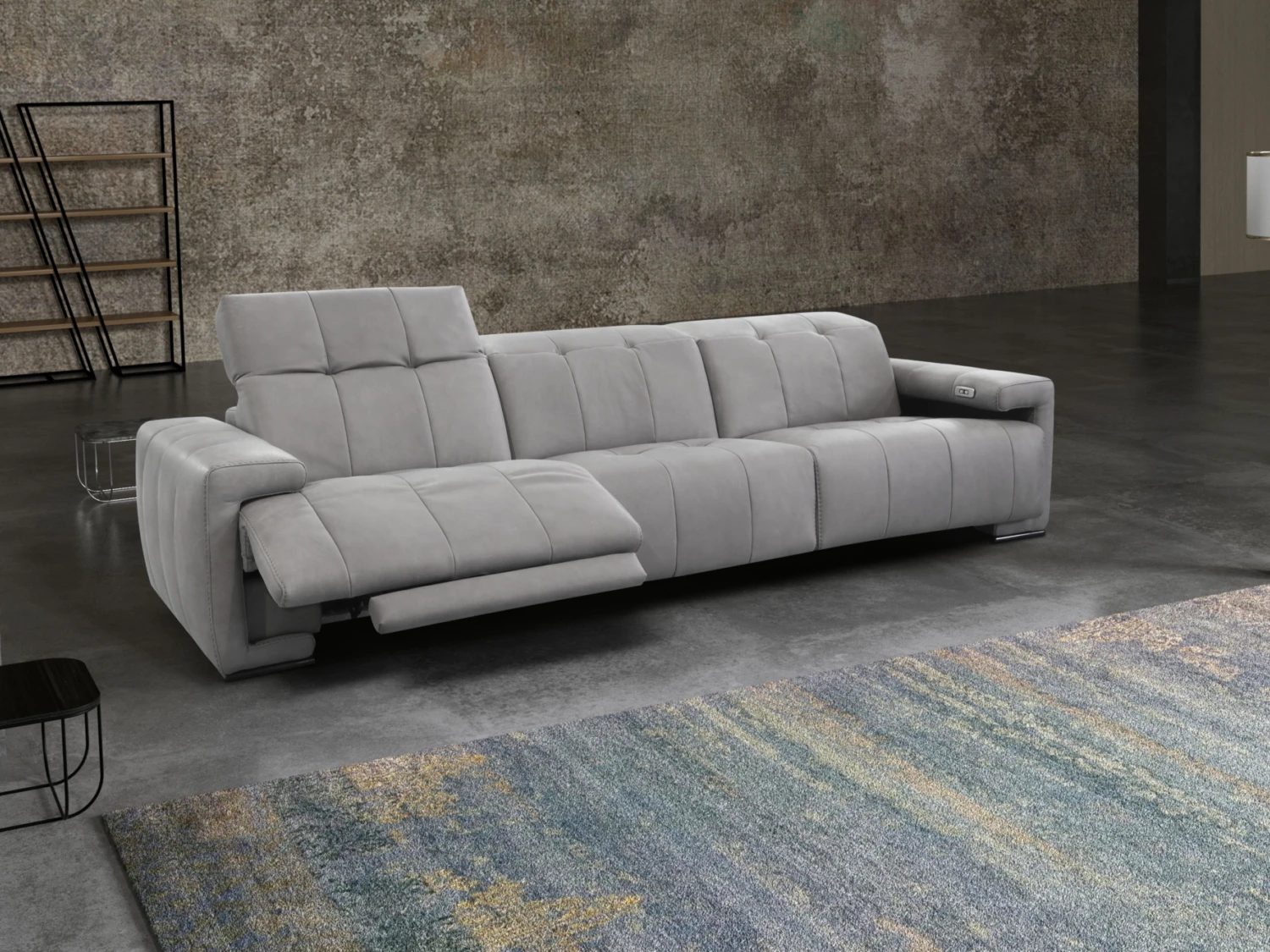
MILLENIUM delivers exceptional comfort with supportive cushioning and relaxed proportions, creating an inviting place to sit back and fully unwind.
One of the most important decisions when buying a sofa is choosing the upholstery material.
Fabric sofas come in a wide range of colours, textures and finishes. Linen blends, woven fabrics and soft performance textiles create a relaxed and inviting feel. Many homeowners choose fabric sofas for their comfort and versatility.
For families with young children, high-performance fabrics are often the most practical option. These fabrics offer stain resistance, durability and easy cleaning while still feeling soft and comfortable. Removable covers or tightly woven fabrics can also help manage everyday spills and sticky fingers.
Leather sofas have a timeless appeal and develop character as they age. They are durable, easy to clean and bring a sense of refinement to a living space.
For pet owners, protected or lower-grade leathers can be a practical choice. These finishes tend to be more resistant to scratches and are easier to wipe clean, making them well-suited to homes with claws, fur and the occasional muddy paw.
For added peace of mind, many sofas can also be professionally MicroSealed. This protective treatment helps guard against stains and spills, making it a smart option for homes with children, pets or heavy everyday use.
Ultimately, the best sofa material depends on your lifestyle, personal preferences and how the sofa will be used.
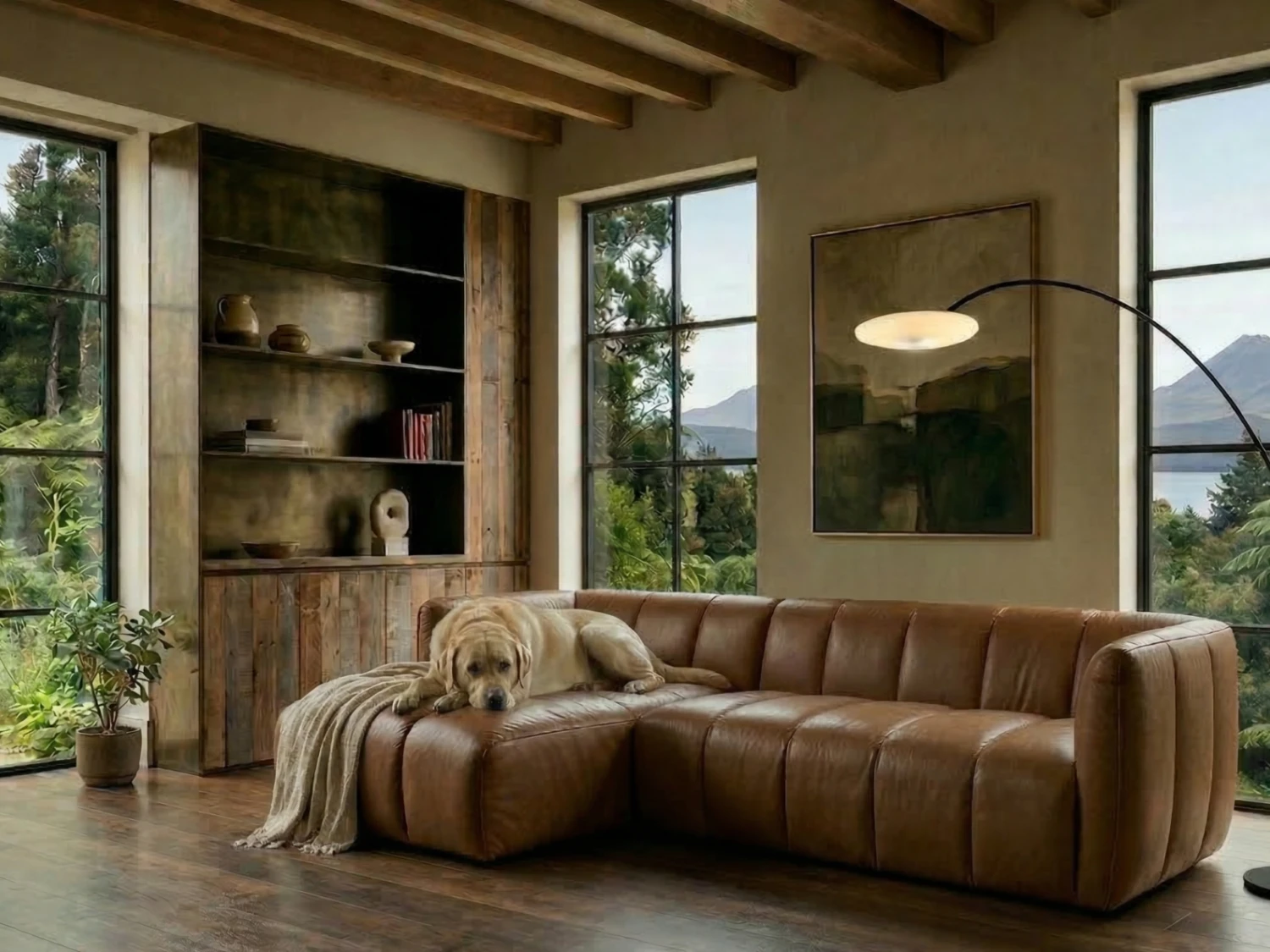
Low-grade leathers as seen here on OASIS, are a practical choice for pet owners, as their corrected finish helps resist scratches, marks and everyday wear while remaining easy to clean.
Comfort is one of the most personal aspects of choosing a sofa.
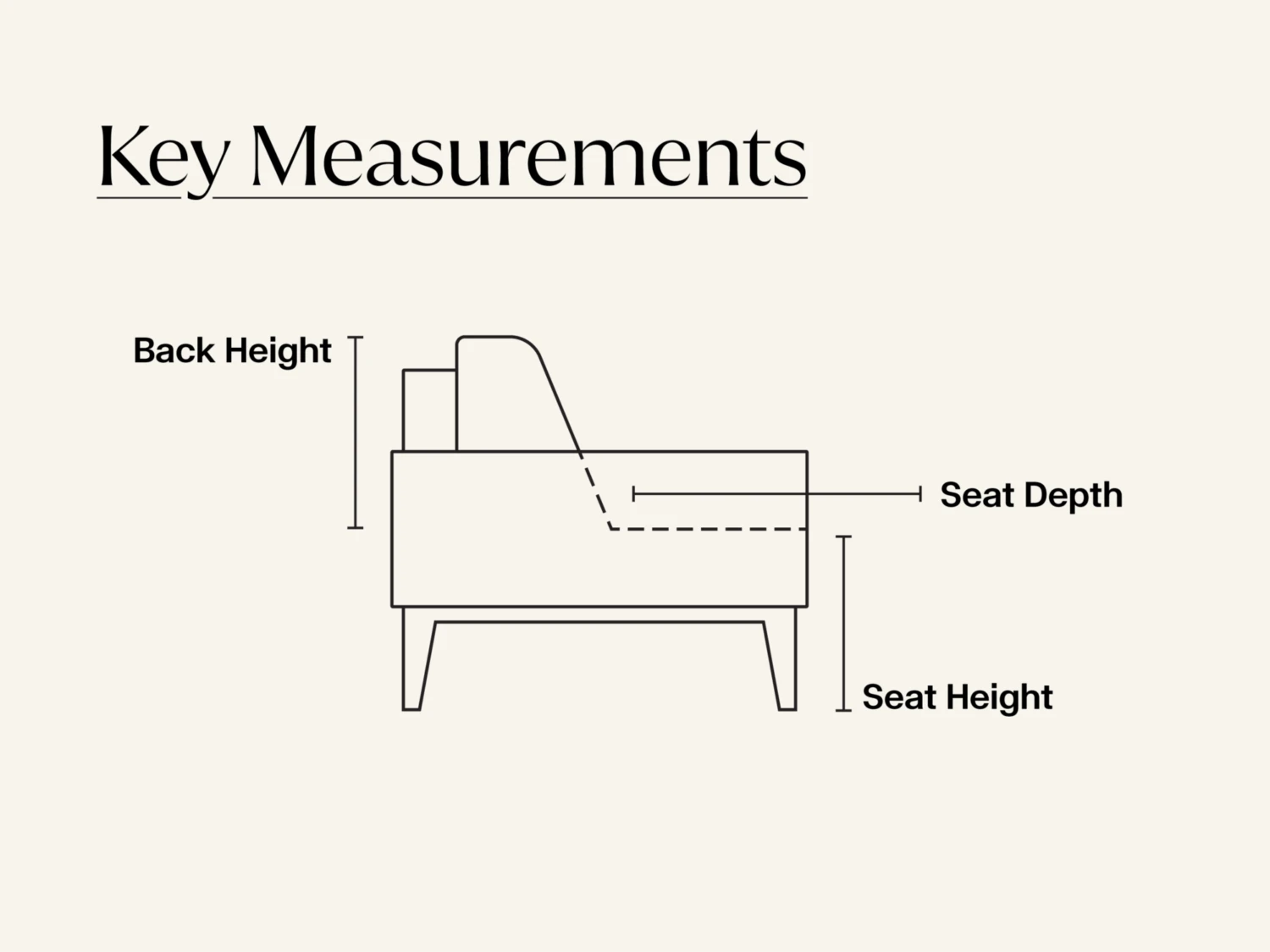
Seat height, depth and back height all play an important role in how a sofa feels to sit on. Higher seats can feel easier to get in and out of and offer a more upright sitting position, while lower seats often create a more relaxed, contemporary look. Shallower seat depths tend to feel supportive and structured, whereas deeper seats allow you to stretch out and lounge. Back height also influences comfort, with higher backs providing more support and lower profiles offering a softer, more casual feel.
Cushion construction also influences comfort. Supportive foam cores combined with softer top layers help create a balance between structure and softness.
The best way to judge comfort is to try a sofa in person. Many people arrive in our showroom with one style in mind and end up choosing something entirely different after sitting on it.
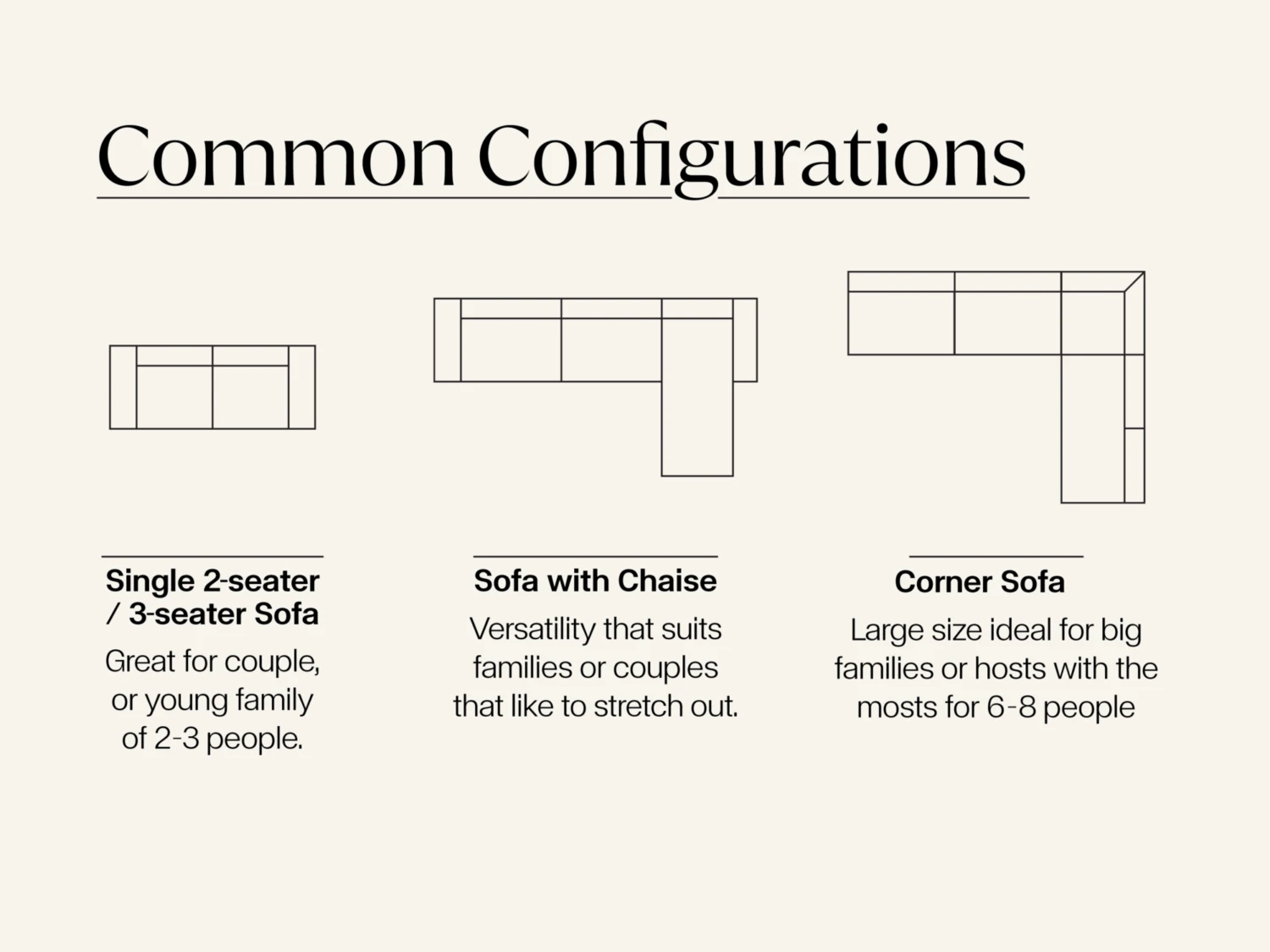
Different sofa layouts suit different types of living spaces.
Single sofas are versatile and fit comfortably in most rooms. They pair easily with armchairs or ottomans and work well in both compact and spacious living areas.
Chaise sofas feature an extended seat on one side that allows you to stretch out comfortably. They are popular in relaxed living rooms. .
Corner sofas create an L-shaped configuration that maximises seating while helping define the lounge area in open-plan homes.
A well-made sofa is designed to last for many years. While solid wood frames are often valued for their strength and longevity, many contemporary sofas are also built on durable metal frames that provide excellent structural support and stability. High-quality cushioning helps maintain comfort and shape over time, while carefully finished upholstery ensures the sofa continues to look good even with everyday use.
Attention to materials, construction and craftsmanship is often what separates an average sofa from one that remains comfortable and reliable for years to come.
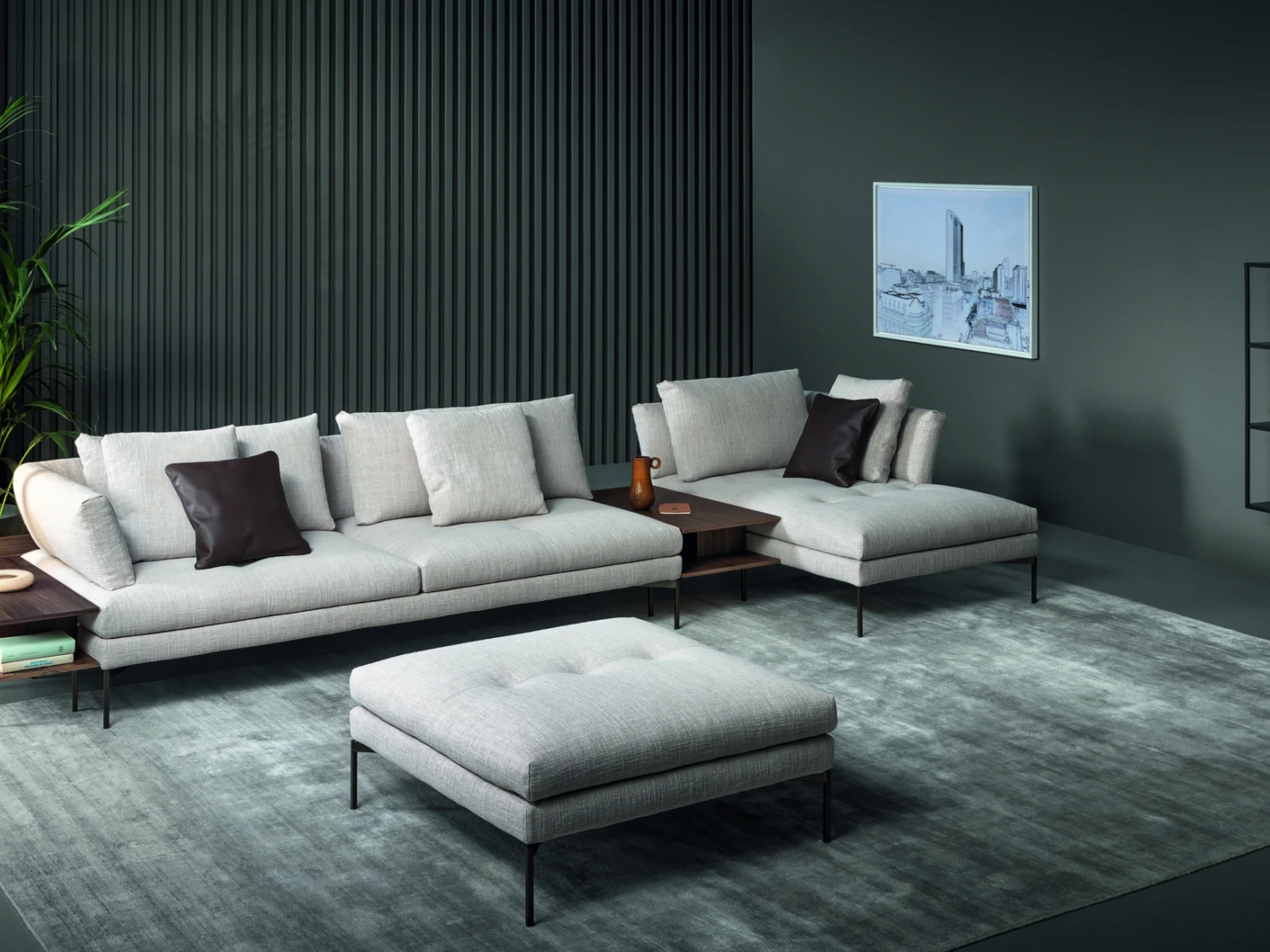
Bonaldo is well known for its commitment to quality craftsmanship and considered design. A great example is ALIANTE, which showcases refined construction, premium materials and the brand’s focus on long-lasting comfort and style.
It should offer comfort, suit the proportions of your room and reflect the style of your home.Exploring different shapes, materials and seating styles can help you find the piece that feels right. A thoughtfully chosen sofa becomes more than just furniture. It becomes the centre of the room and the place where everyday moments happen.
While this guide is a helpful starting point, the best way to choose a sofa is to experience it in person. In our showroom, you can explore different styles, fabrics and comfort levels while our team helps you find a sofa that suits your space and the way you liv
What size sofa should I buy?
Choose a sofa that suits your room size and seating needs. Smaller spaces suit compact sofas, while larger rooms can accommodate corner or chaise designs. Aim for balance within the space.
How do I measure for a sofa?
Measure the sofa area’s width, depth and height, allowing room for walkways and nearby furniture. Also check doorways, hallways and stairs for delivery access.
What is the best material for a sofa?
The best material depends on your lifestyle. Fabric offers softness and variety, leather is durable and easy to maintain, and performance fabrics suit busy households.
Are leather sofas better than fabric sofas?
Leather is durable and classic in appearance, while fabric offers more colour and texture options. The right choice comes down to comfort, lifestyle and style preference.
What is the difference between a chaise sofa and a corner sofa?
A chaise sofa has an extended seat for stretching out. A corner sofa forms an L-shape to maximise seating and define the lounge area.
What makes a good quality sofa?
Look for a solid frame, supportive cushioning and durable upholstery. Strong construction helps ensure long-lasting comfort and appearance.
How long should a sofa last?
A well-made sofa can last around 7 to 15 years, depending on materials, construction and everyday use.
Some colour combinations just seem to make sense, even when they aren’t combinations we would necessarily think to put together ourselves.
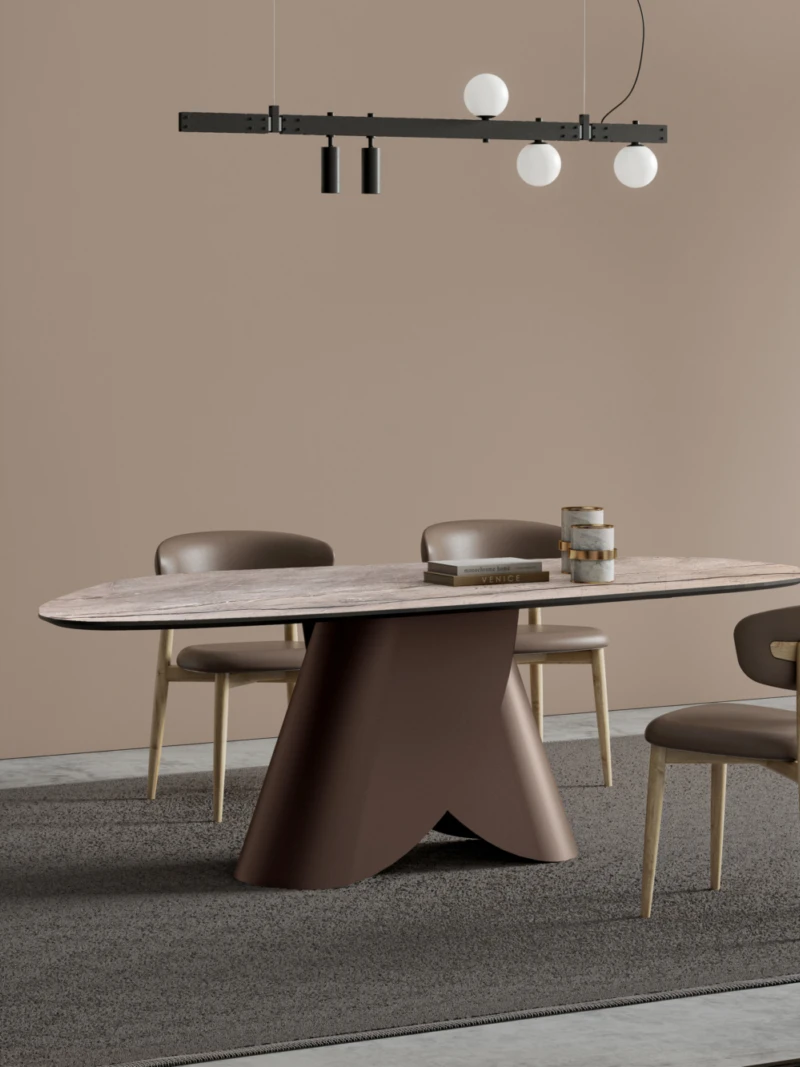
Italian design has a way of making even the most functional pieces feel considered.