Wildly Good Pairings
Wildly Good Pairings
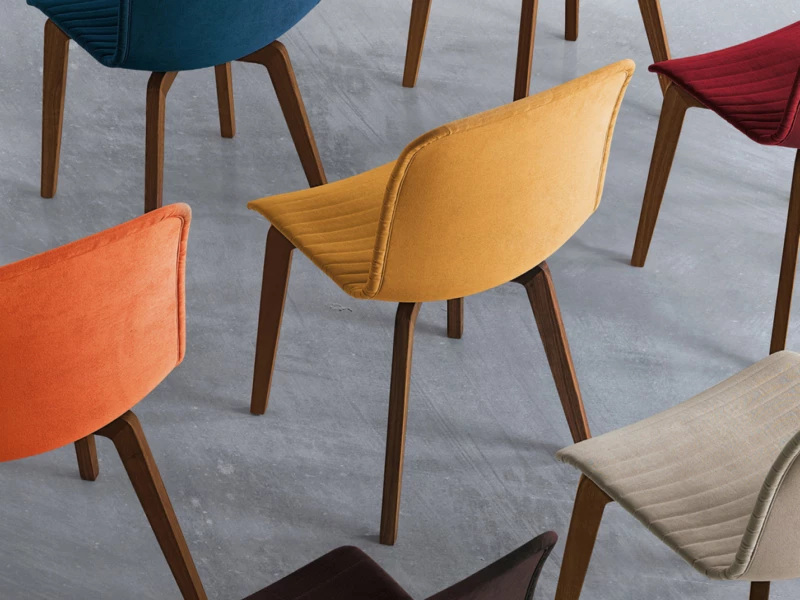
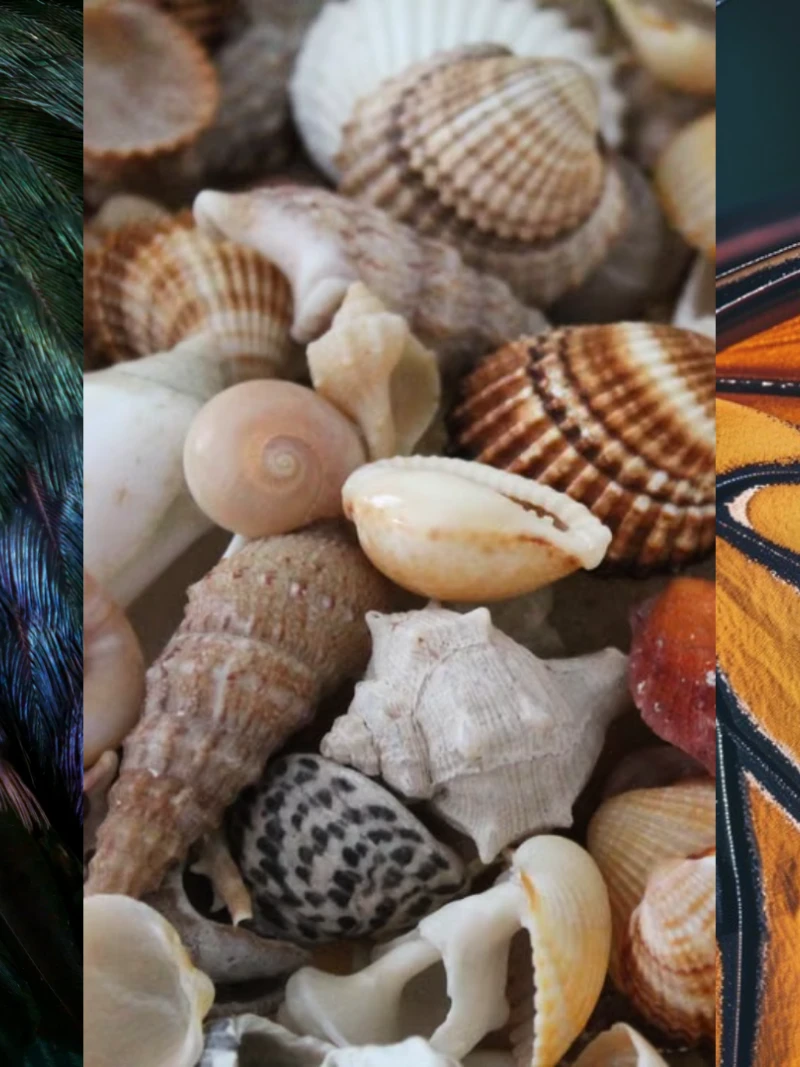
Some colour combinations just seem to make sense, even when they aren’t combinations we would necessarily think to put together ourselves.
Read more
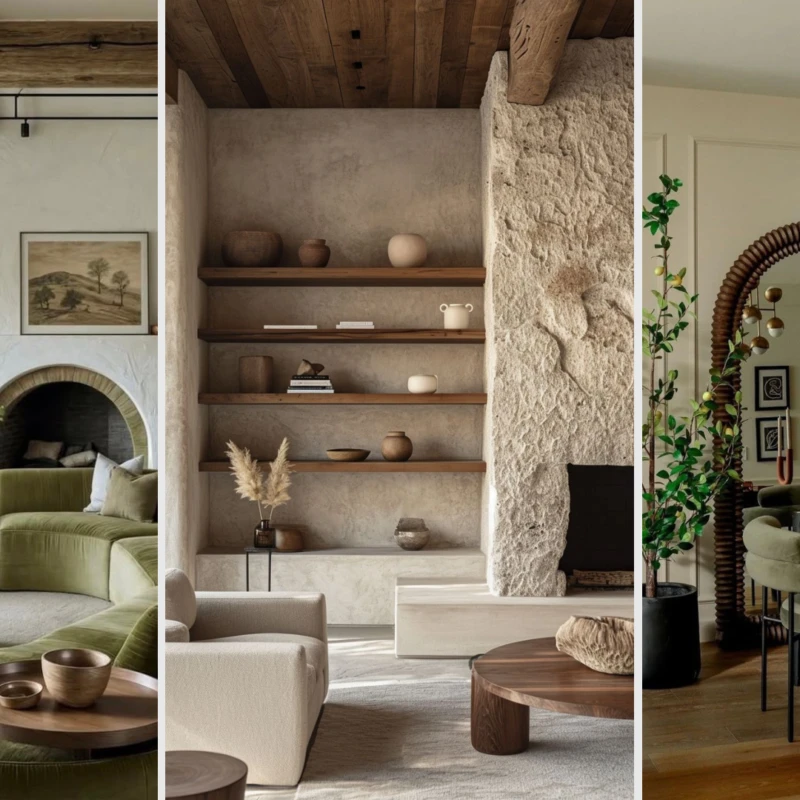
In a world shaped by smoothed-over filters, fast furniture and AI-generated images, imperfection has taken on new meaning, becoming something desirable rather than something to avoid. As more of daily life is conducted through screens, our homes are increasingly where we seek what feels real and grounding, favouring texture over polish, weight over novelty, and materials that openly reveal their origins and intended use.
Design publications including Vogue, Architectural Digest and Dezeen have all noted a growing shift away from polished, trend-driven interiors toward spaces that feel layered, tactile and lived in. In response to digital saturation and fast furniture culture, editors are increasingly championing homes that celebrate patina, visible grain and materials that age honestly. Rather than signalling neglect, wear and variation are being reframed as markers of quality, longevity and emotional connection.
Nature has always set the blueprint for this way of living. Timber shows its grain and knots without apology, while stone carries veins, fossils and fine cracks formed over time. These details are not flaws to hide, but proof of life, history and process. This way of thinking has long been central to Scandinavian and modernist design principles, where truth to materials is valued over surface perfection. As we look toward 2026, this honesty is shaping more thoughtful, enduring homes.
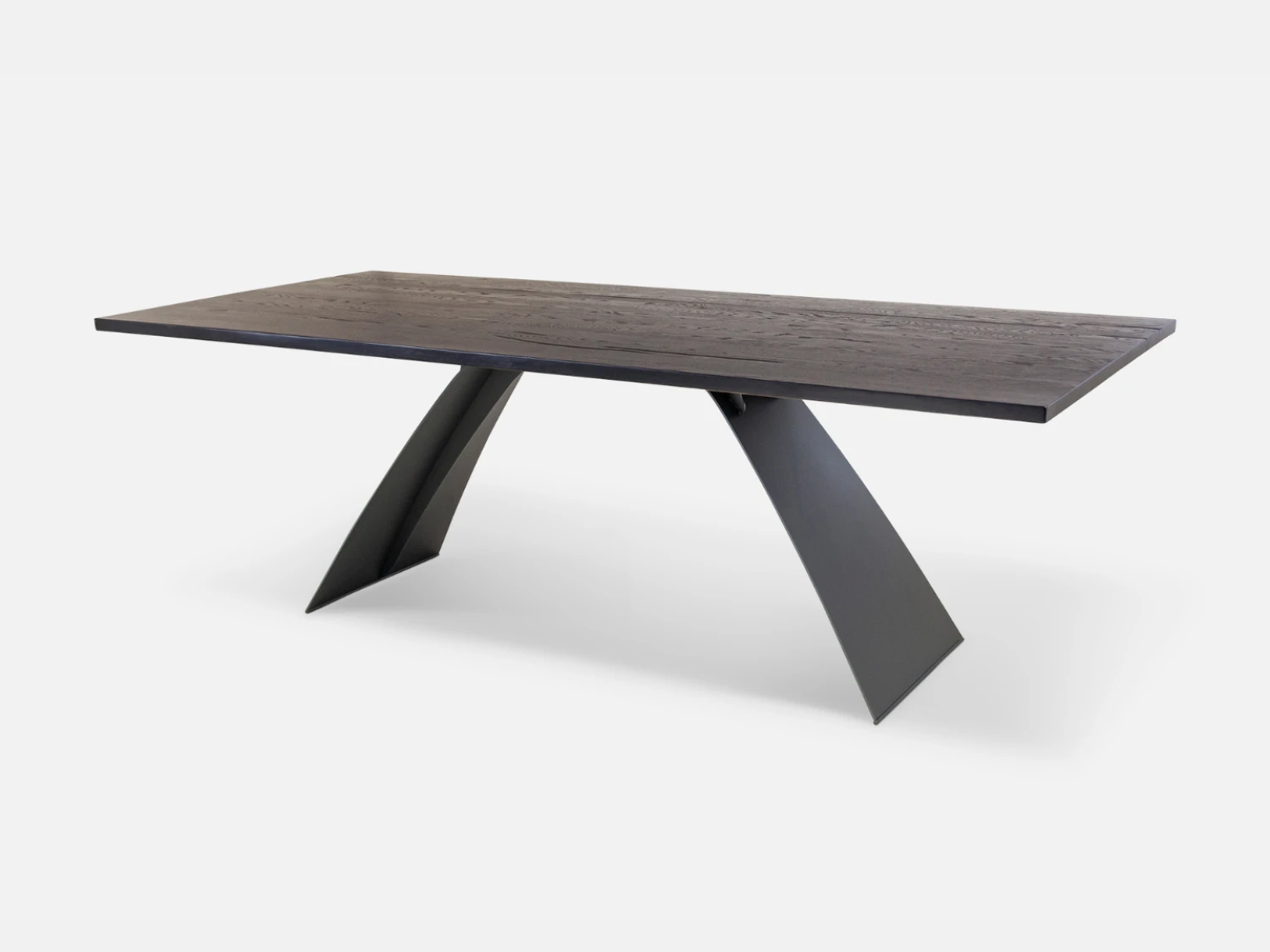
Picture a dining table softened by years of long lunches and unhurried conversations. Its surface is marked, the grain more pronounced where hands have rested, and nothing about it is pristine, yet everything feels right.
Perfection is no longer the goal. Presence, patina and personality are.
This lived-in beauty, not perfection, is what people are increasingly drawn to. Rather than a passing trend, this represents a broader shift in mindset. Homes are becoming spaces that evolve over time, grounded in pieces chosen for longevity, warmth and the way they are lived with.
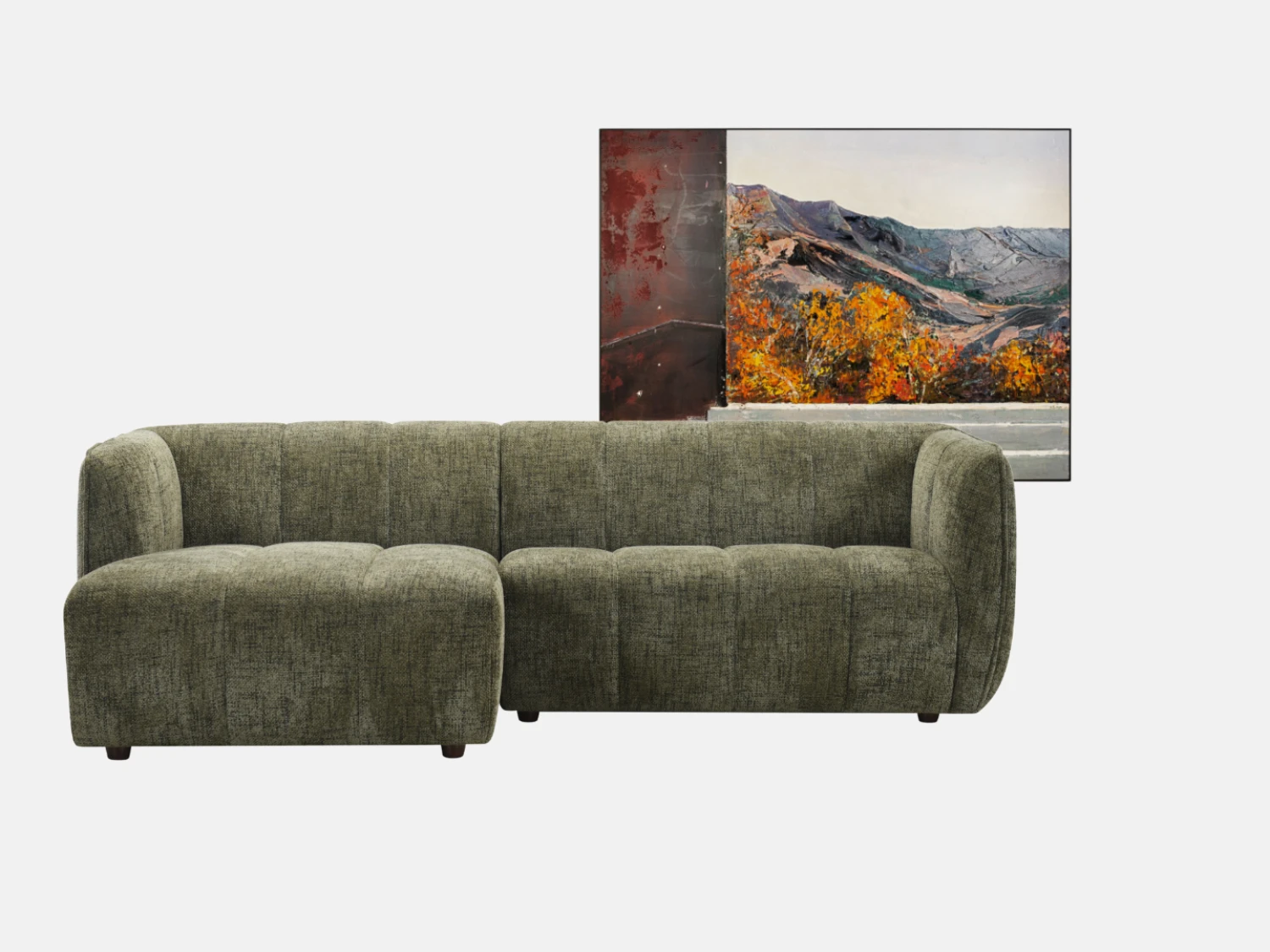
Colour is playing a more confident yet calmer role, with earthy, saturated tones like moss green, clay, burnt orange, warm creams and layered browns becoming foundational rather than purely decorative. These hues echo landscape rather than fashion, allowing materials and form to take the lead while bringing warmth and depth to a space. This shift has been widely noted in interior trend forecasts, with publications such as Homes & Gardens highlighting nature-inspired palettes as key to creating grounded, long-lasting interiors for 2026
Accessories in 2026 are less about perfection and more about personality. Sculptural ceramic forms introduce organic shape and subtle surface variation, while wool rugs add warmth and grounding underfoot. These pieces reward closer attention, revealing their character gradually rather than all at once.
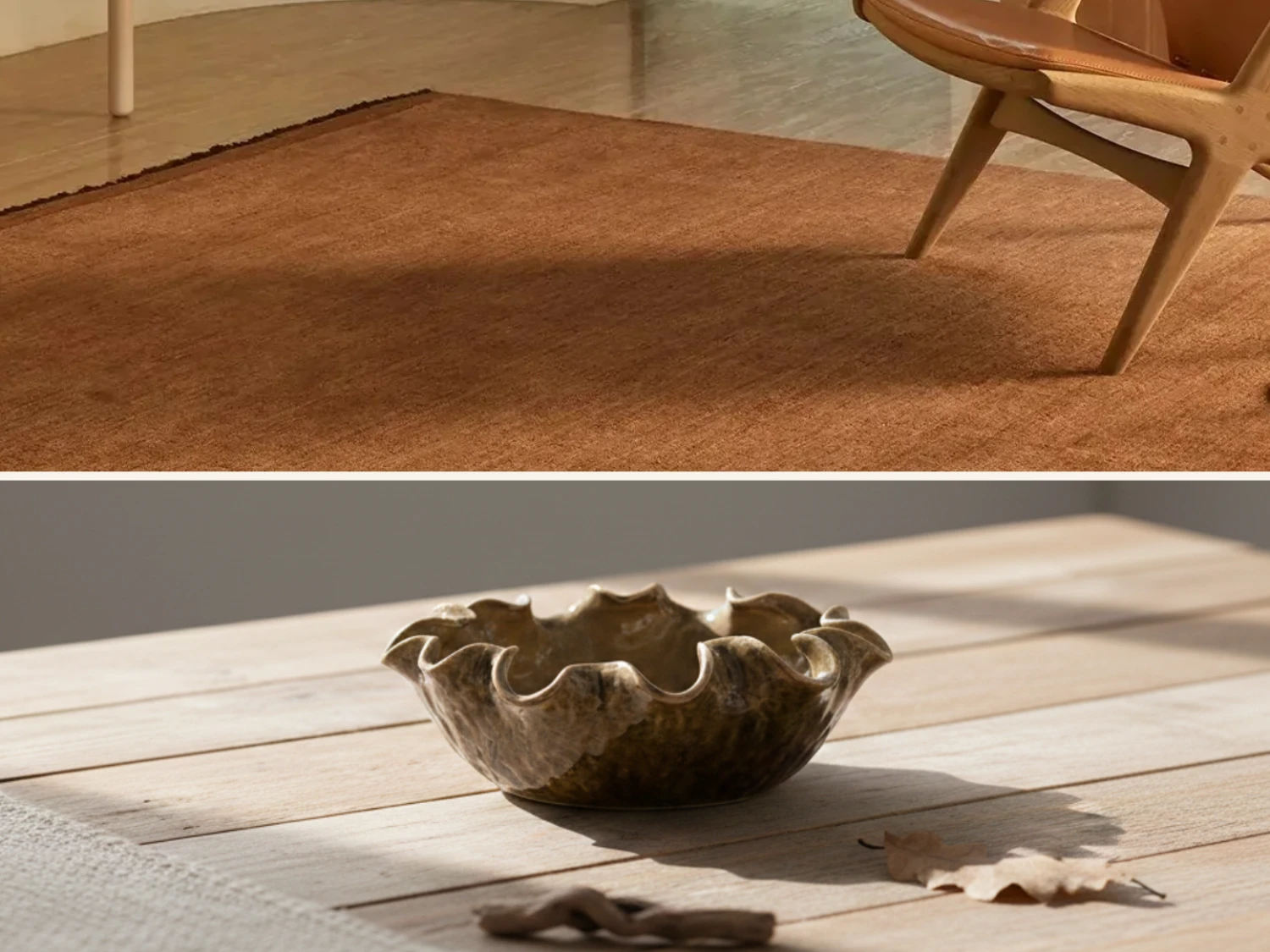
A single considered piece can shift the feeling of a room, whether it is a timber table that gathers stories, a rug that adds warmth and softness, or a ceramic object that feels collected rather than styled. As we look ahead to 2026, the most compelling interiors are not the flawless ones. They are the ones that feel layered, lived in and deeply personal.
Visit us in store to experience pieces designed to be lived with, and discover materials, textures and forms that evolve naturally with the way you live.
Some colour combinations just seem to make sense, even when they aren’t combinations we would necessarily think to put together ourselves.
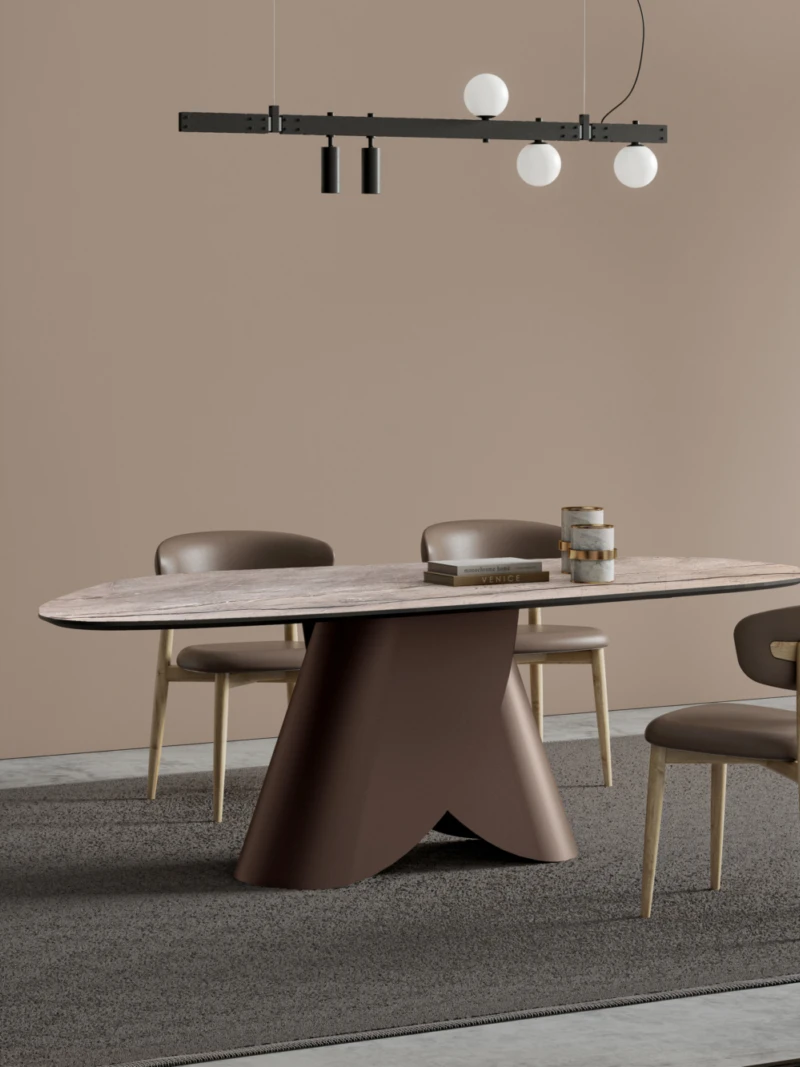
Italian design has a way of making even the most functional pieces feel considered.